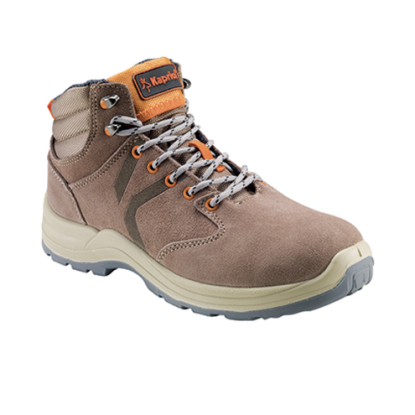




| Art./Item | Size |
|---|---|
| 42971 | 41 |
| 42972 | 42 |
| 42973 | 43 |
| 42974 | 44 |
| 42970 | 40 |
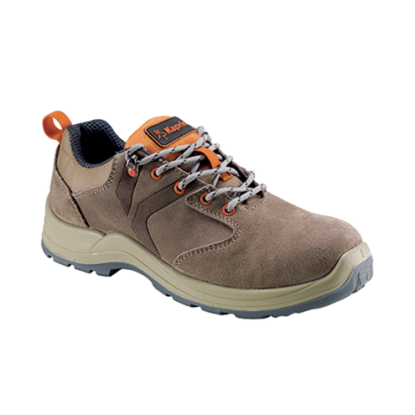
Low safety shoes with steel toecap and extremely light and comfortable anti-puncture insole.
Jack Low work shoes are S3 SRC certified and guarantee antistatic properties and complete foot protection when in contact with liquid substances such as water, oils and acids. The kapriol safety shoes have uppers made of split suede to guarantee good resistance to cuts and wear.
Also available in a high version, the Jack Low work shoes are suitable for a variety of uses and, in particular, for those working outdoors.
TECHNICAL SPECIFICATIONS
- water-repellent split suede upper with tear-resistant synthetic inserts
- high resistance and flexibility anti-puncture insole
- padded rear edge and tongue
- special self-cleaning non-slip treads guarantee excellent grip on all surfaces
MATERIAL
- Sole: polyurethane
- Toe cap: steel
- Upper: split suede
SAFETY CLASS
- S3
- SRC
Technology

Hard safety toe cap
Steel safety toe-cap that provides total foot protection in the event of objects falling from heights from impacts of up to 200J, which is equivalent to the energy caused by a stone of 10kg from a height of 2m.
High Flex Perforation proof midsole
Anti-puncture midsole made of high-strength and highly flexible synthetic polymer fiber. It contributes to high thermal insulation of the shoe. Extremely light and comfortable, the high flex midsole guarantees total protection of the foot from the risk of wounds, cuts and punctures.
PU-PU Sole
Polyurethane gives the sole lightness and flexibility. It has shock-absorbing features that guarantee high comfort for the entire shoe. The double injection of polyurethane makes it possible to obtain dual-coloured or dual-density soles. Polyurethane is injected onto the upper by means of special moulds: these are called ‘injected soles’ or simply ‘injected’.
Performance
FO - Resistance of the sole to hydrocarbons
Work shoes equipped with soles designed to resist prolonged contact with oily substances and hydrocarbons without undergoing structural alterations. The laboratory test involves immersing the compound in Trimethylpentane, verifying that the swelling and increase in volume of the sole do not exceed 12%, thus ensuring the stability and durability of the shoe over time. This requirement is mandatory for work footwear according to the 2011 standard, while it becomes additional and optional for the 2022 standard.
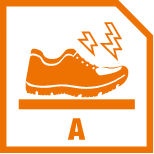
A - Antistatic Shoe
Work shoes with antistatic properties that allow the controlled passage of low-voltage currents, dissipating the electrostatic charges accumulated by the operator during work activities and reducing the risk of ignition in environments with the presence of flammable or explosive substances.
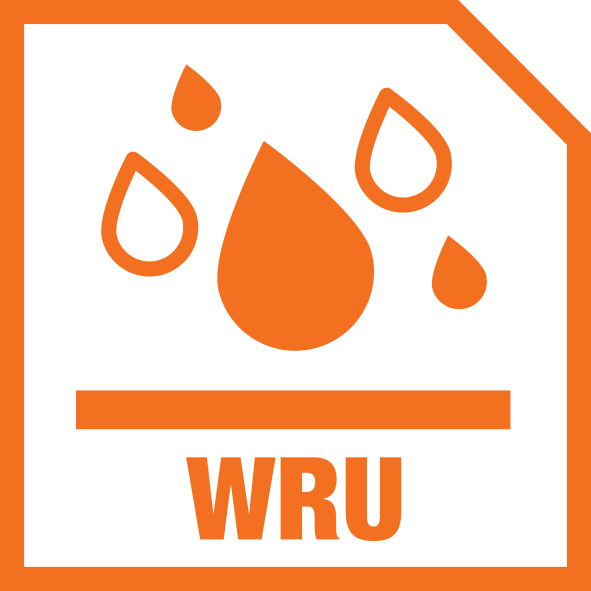
WRU - Water-resistant upper
Work shoes with water-resistant upper thanks to a specific special treatment. The laboratory test involves the mechanical flexion of the material in contact with water for 60 minutes, verifying that the passage of water inside is practically zero.
Work gloves
Work gloves with nitrile coating
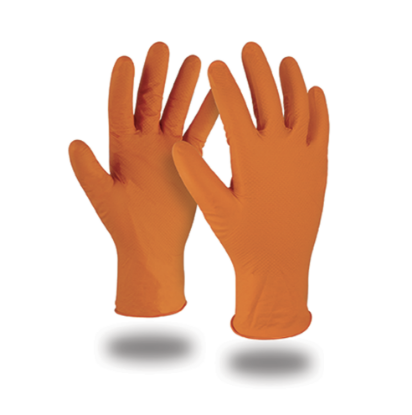
Disposable chemical protection gloves
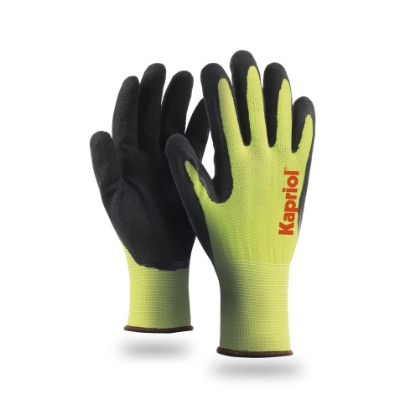
Gloves for precision work
You may also be interested in:
Related products
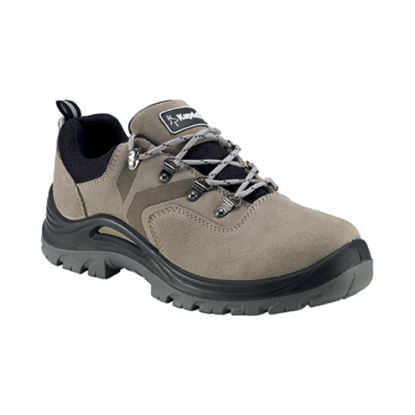
Safety work shoes S3 SR FO certifiedEN ISO 20345:2022
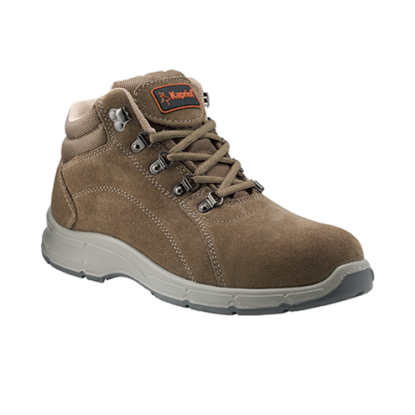
S3 SRC certified high work shoes
Low S3L SR FO certified work shoes